
Hi there, designer 👋
I wrapped up another client presentation this morning, and it went really well!
Although I’m super tired after another long week and will definitely be going to bed at 9 tonight 😂
It went well not because the design was flashy - it worked because it was well structured.
The presentation was clear, intentional, and easy to follow - for both me and the client. And it was a good reminder that when your process is solid, everything else feels calmer.
Presentations work best when they tell a story
I don’t treat client presentations as a collection of pretty drawings & finishes.
I treat them like storytelling.
I walk clients through:
-
why the space is being designed this way
-
how it will support their daily routines
-
what problems we’re solving
-
and how each decision connects back to the bigger picture
This morning’s presentation was for a few different spaces - the kitchen, the laundry, the mudroom & primary bathroom, and instead of leading with materials, I explained how the layout would change how they start and end their day - function first, lifestyle second, aesthetics layered on top.
The result?
Fewer questions. Clear alignment. More confident approvals.
And that doesn’t happen by accident - it happens with structure.
Structure builds confidence (for you and your client)
Earlier in my career, presentations made me extremely nervous.
I’m talking physically sick to my stomach, unable to say my name, totally numb!
Not because I didn’t believe in my designs - but because my process wasn’t fully defined yet. I didn’t have a clear strategy for how to lead a presentation or confidently sell my ideas.
Once I learned how to do that (which, honestly, came with years of experience), everything shifted:
-
I organized my presentation pages intentionally
-
I explained decisions clearly
-
I guided clients instead of reacting to them
When you define how you lead a presentation, confidence follows.
Clients trust you more when they understand why you’re making decisions.
Meetings feel collaborative instead of stressful.
And you walk away knowing you led the process - not the other way around.
I still get nervous sometimes - let’s be real. My current project has a $2.5M renovation budget, which means there are a lot of decisions to make… and I’m the one guiding them. Phew 😅
A small sneak peek (even when projects are confidential)
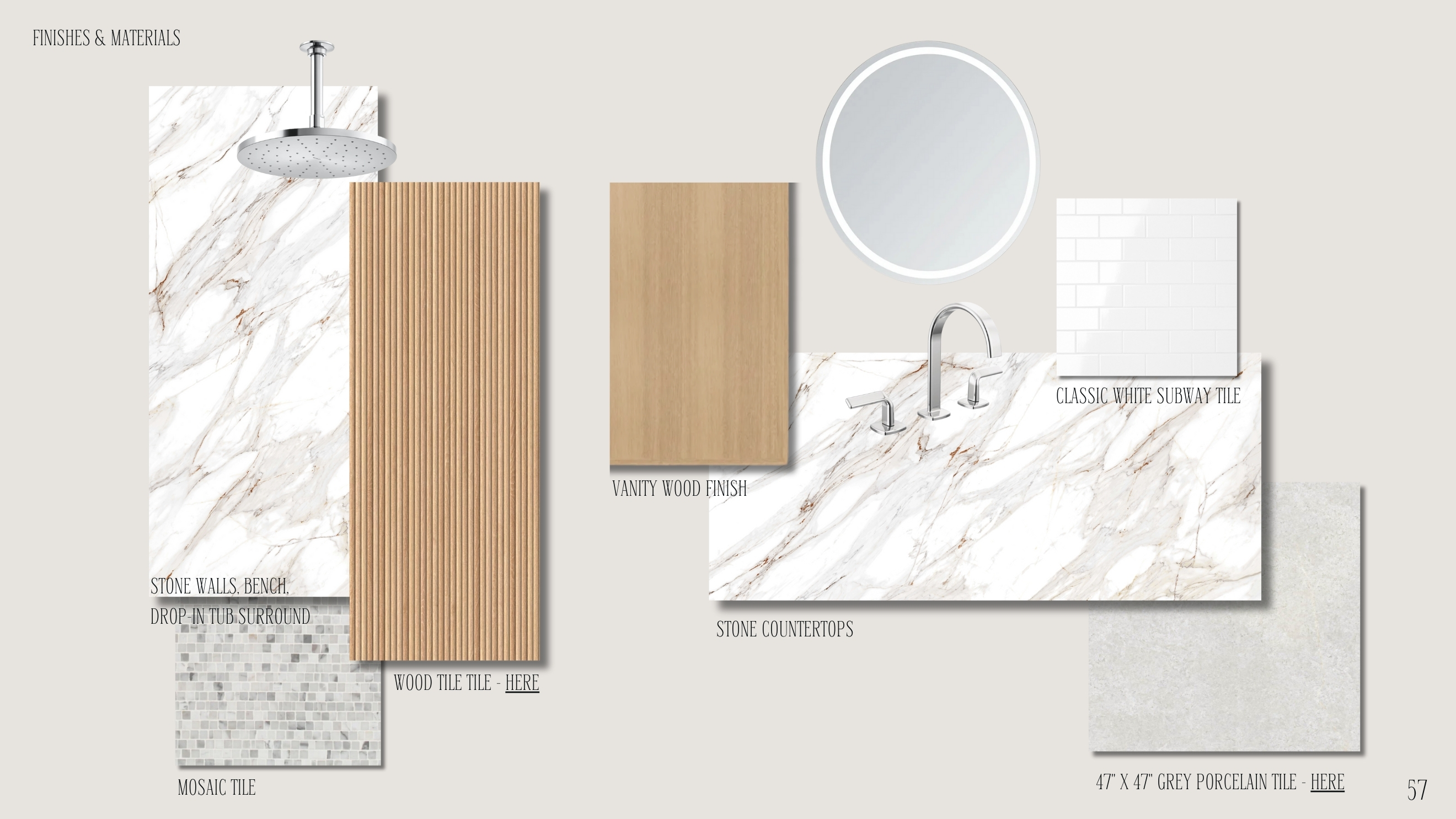
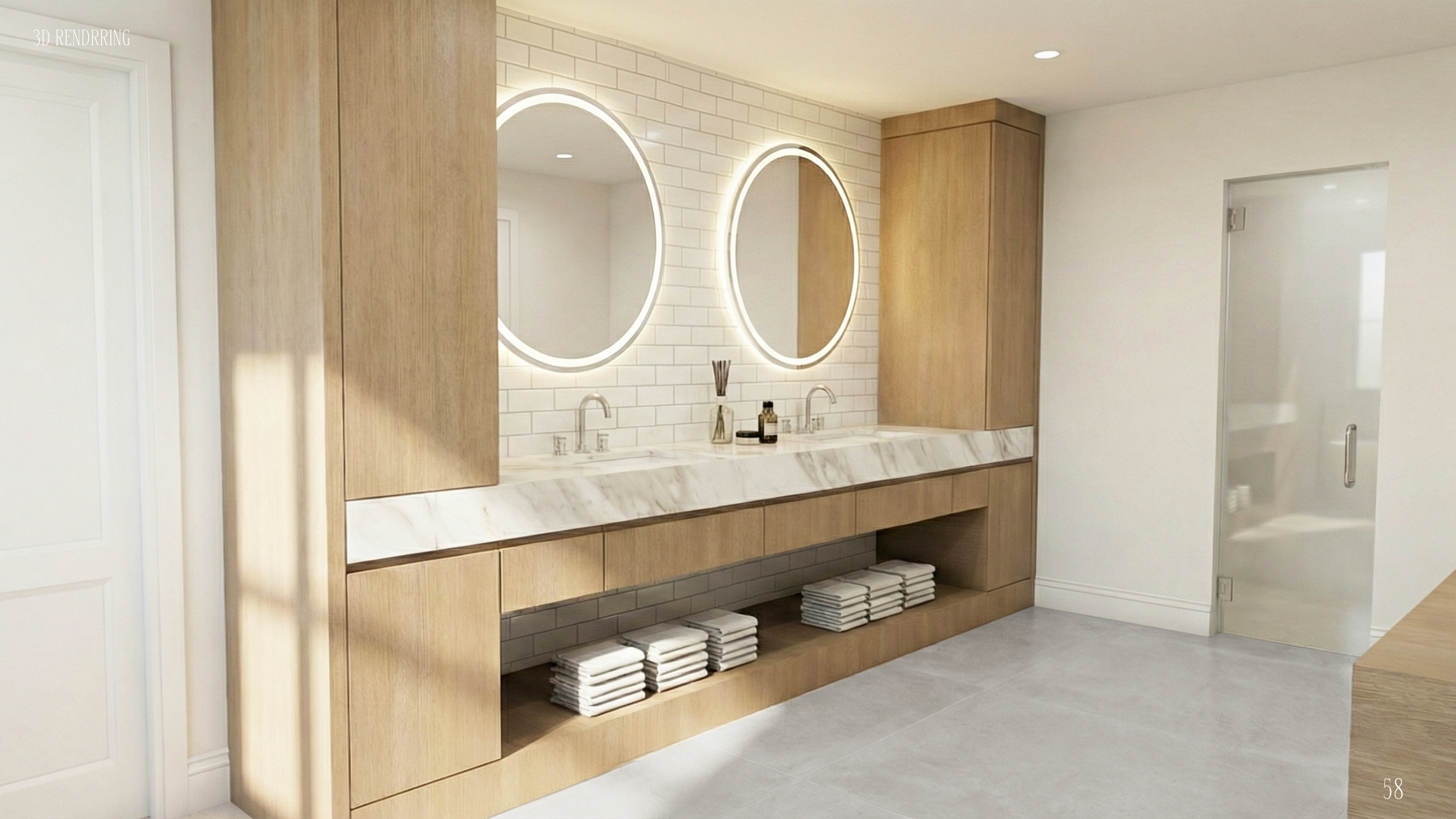
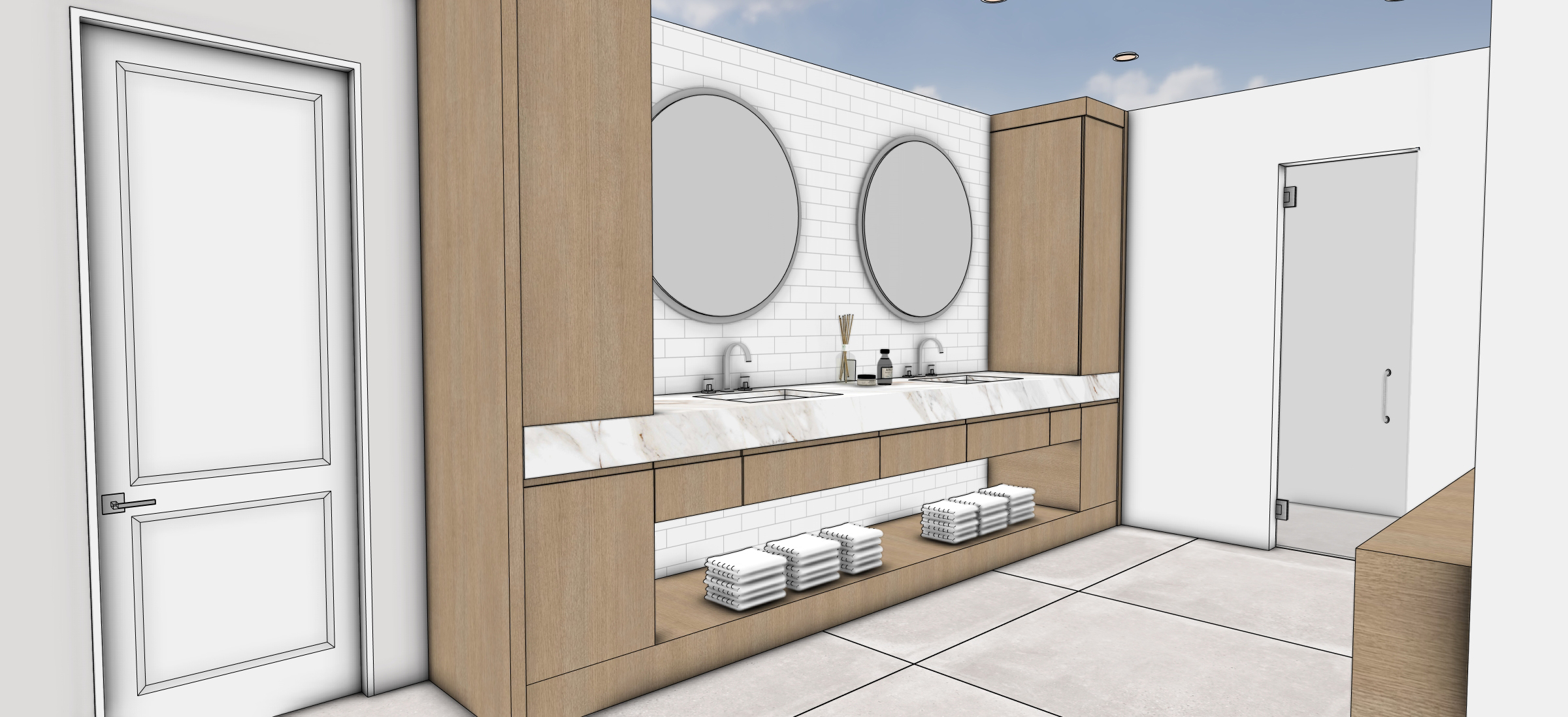
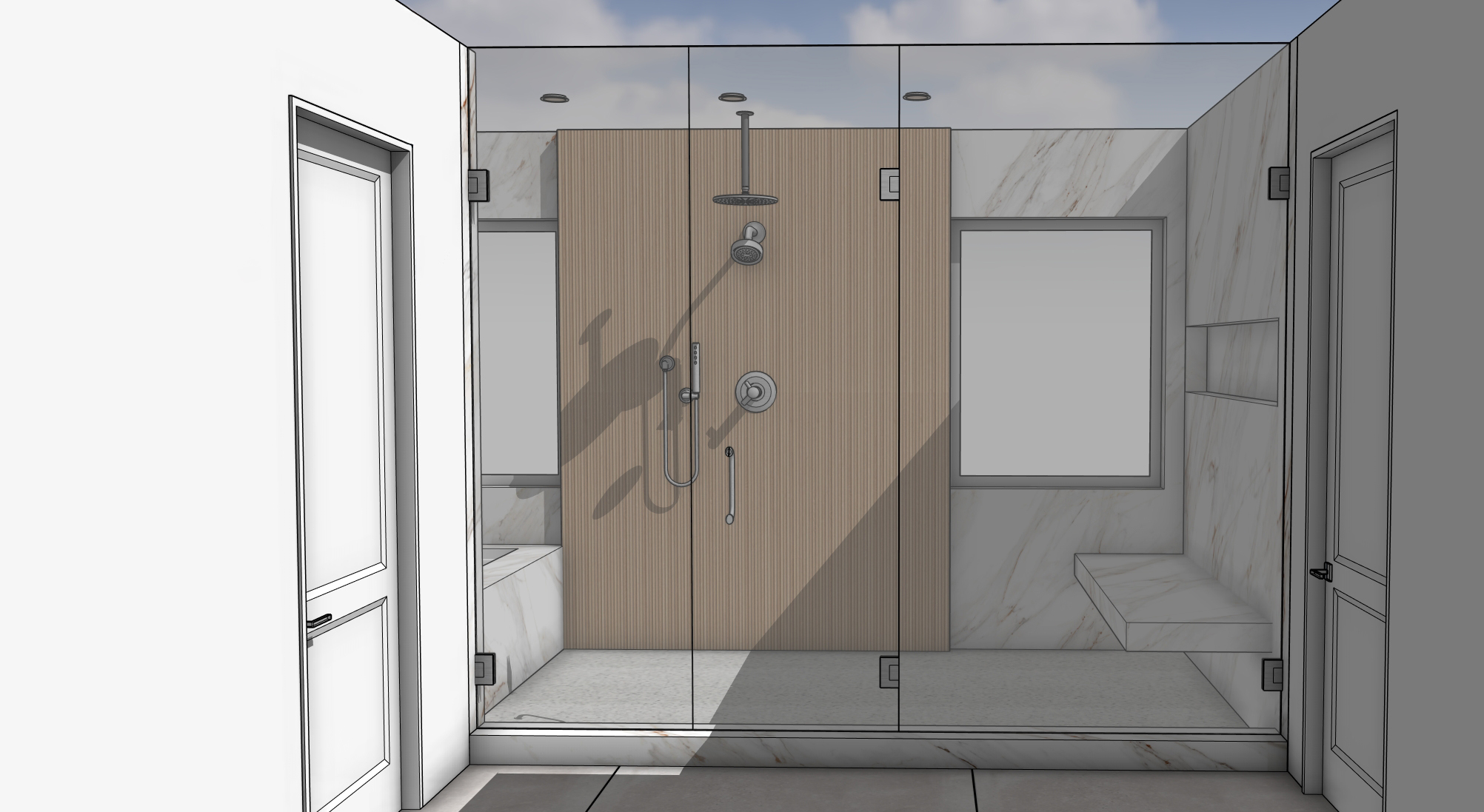
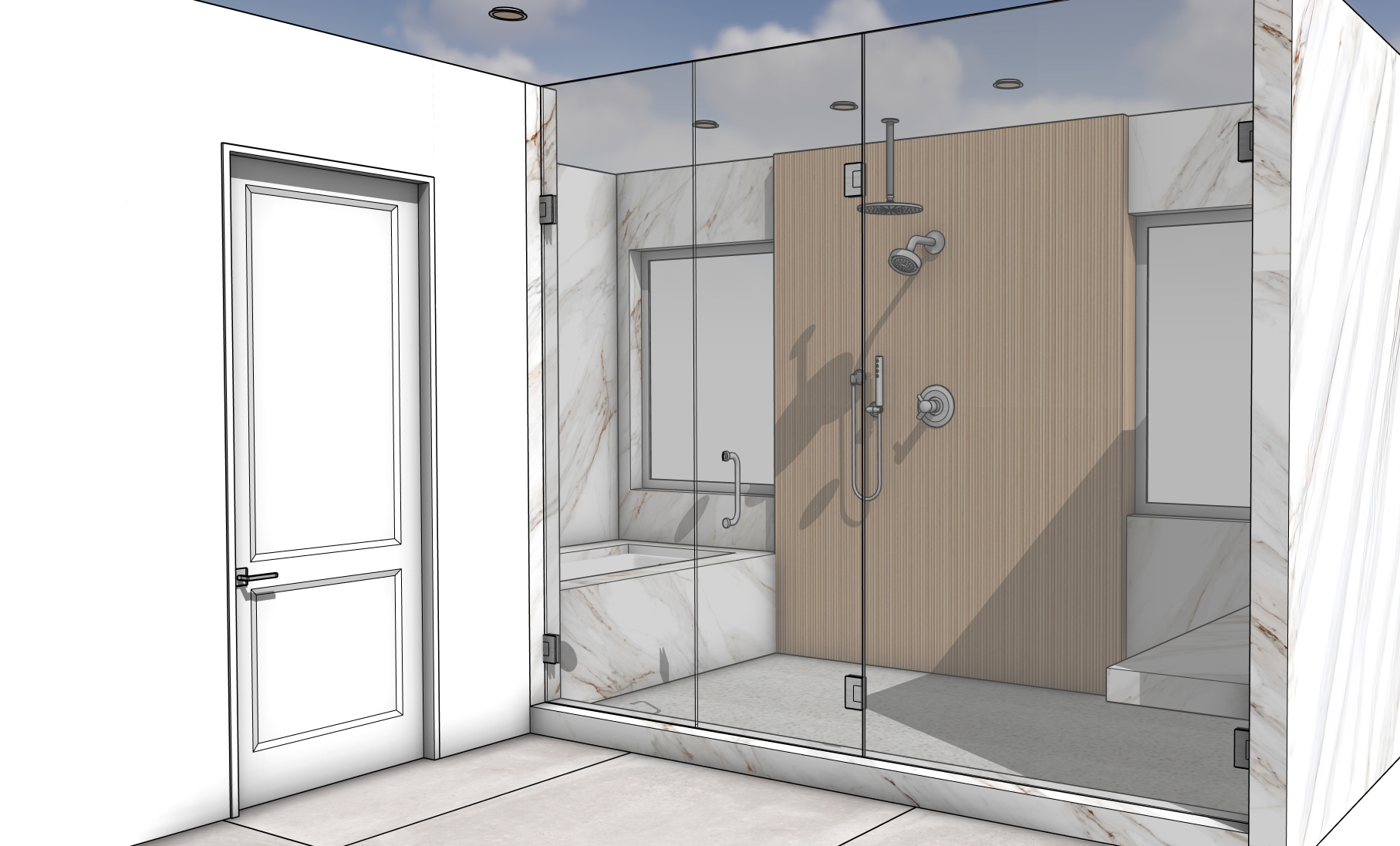
I’m sharing a small sneak peek of this primary bathroom from today's deck - just a few pages from the presentation.
This is a confidential project (as most of my higher-end projects are), so it’s not ready to be shared publicly or posted on social media yet. And honestly? That’s okay.
Not every project needs to be on display immediately.
Sometimes the win is simply knowing your systems are working and your confidence is growing behind the scenes.
There was a time I wouldn’t have shared anything at this stage.
Now, I trust my process - and that trust makes all the difference.
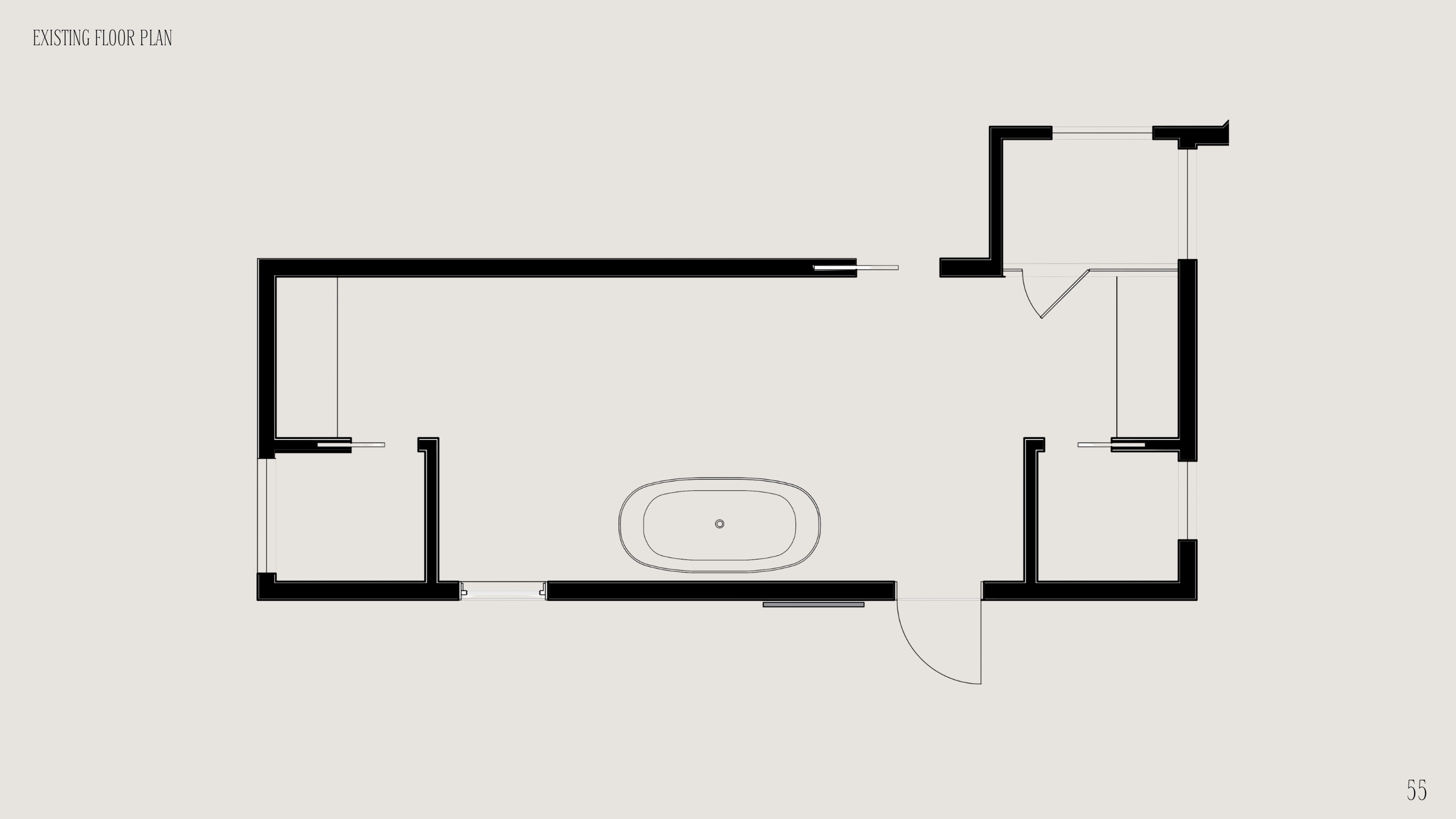
Here’s a sneak peek at the original layout - and why it wasn’t working
The original bathroom layout had potential, but functionally, it was falling short. The circulation paths felt awkward, two separate toilet cubbies, limited vanity and counterstop space and a super small shower! Yikes to all!
So I took an entirely new approach to how this bathroom should function day to day.
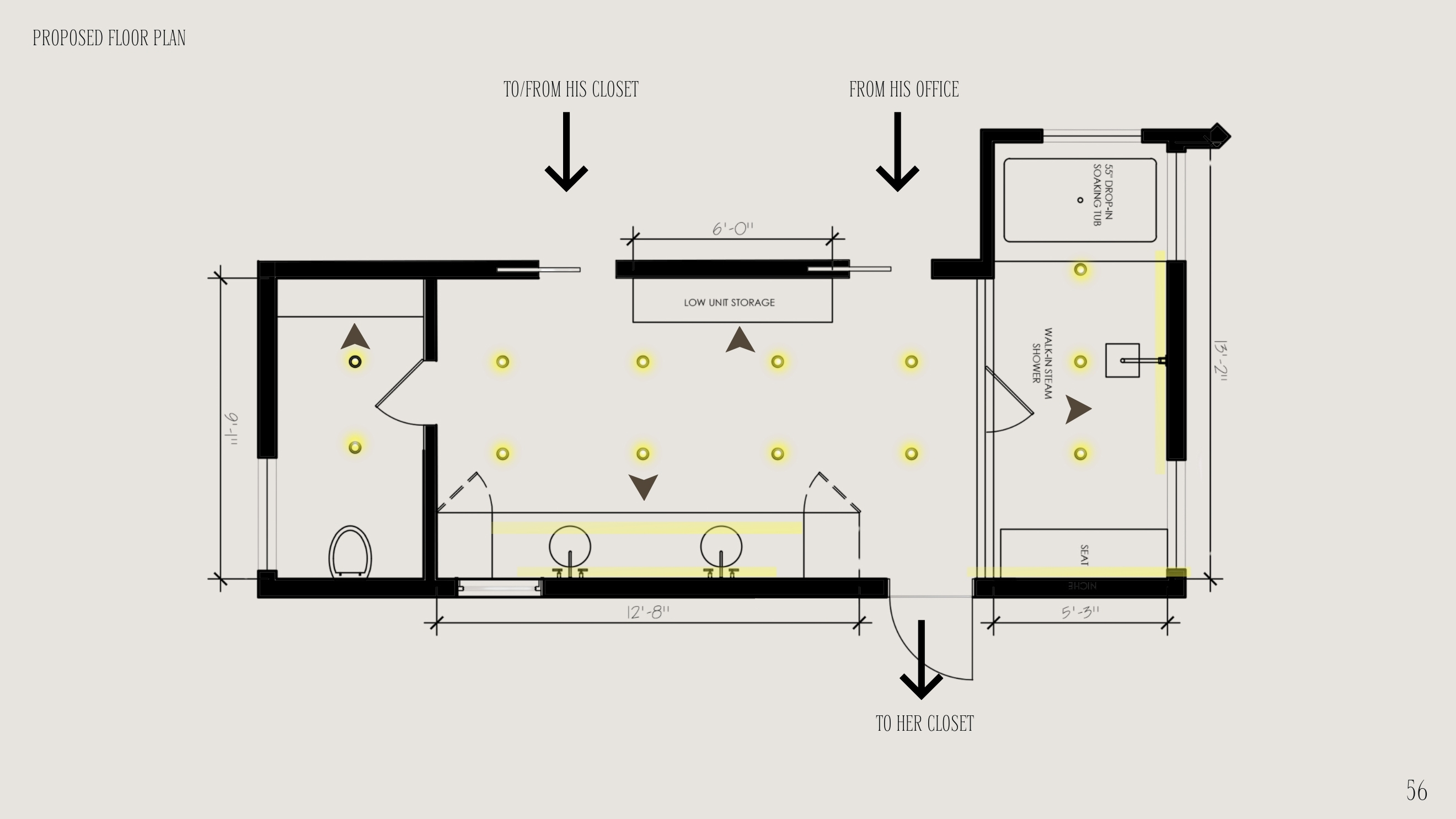
Instead of forcing materials or fixtures into an inefficient plan, I rethought the layout from the ground up - focusing first on flow, symmetry, and how the clients actually use the space. Once the function was resolved, everything else started to fall into place.
The clients loved the new direction.
The layout is locked in, and while there may still be a few tweaks to final materials (which is totally normal at this stage), the foundation is solid - and that’s the most important part.
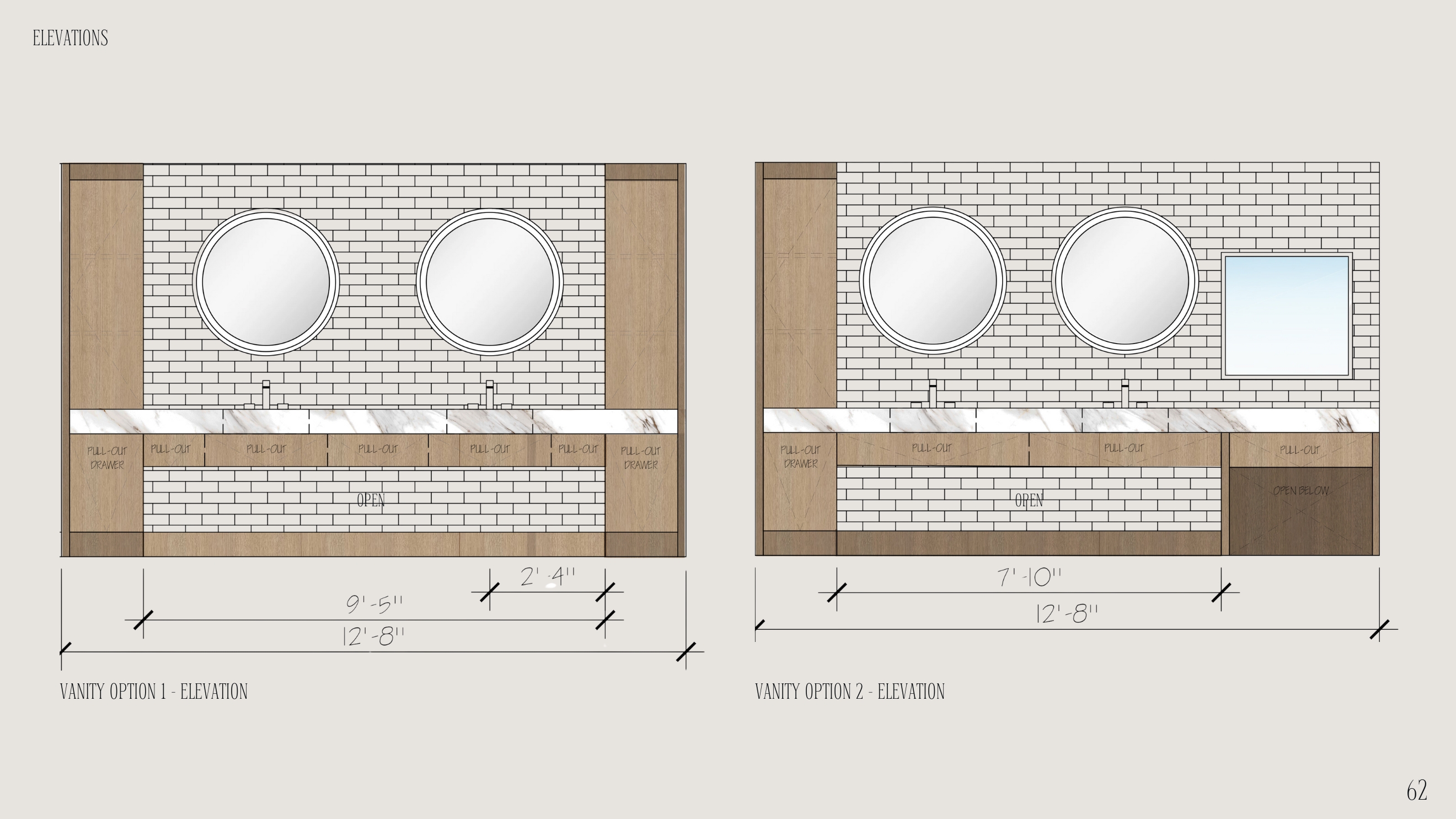
For the vanity wall, I presented two design options:
-
One option allows us to close a small window that was disrupting the vanity geometry, resulting in a more balanced, symmetrical design.
-
The second option keeps the window and shows what’s possible if they prefer to retain it.
Rather than presenting one “right” answer, I walked them through the pros and cons of each approach so they can make a confident, informed decision.
This is exactly why layout and structure come first.
When the plan works, the design decisions feel easy.
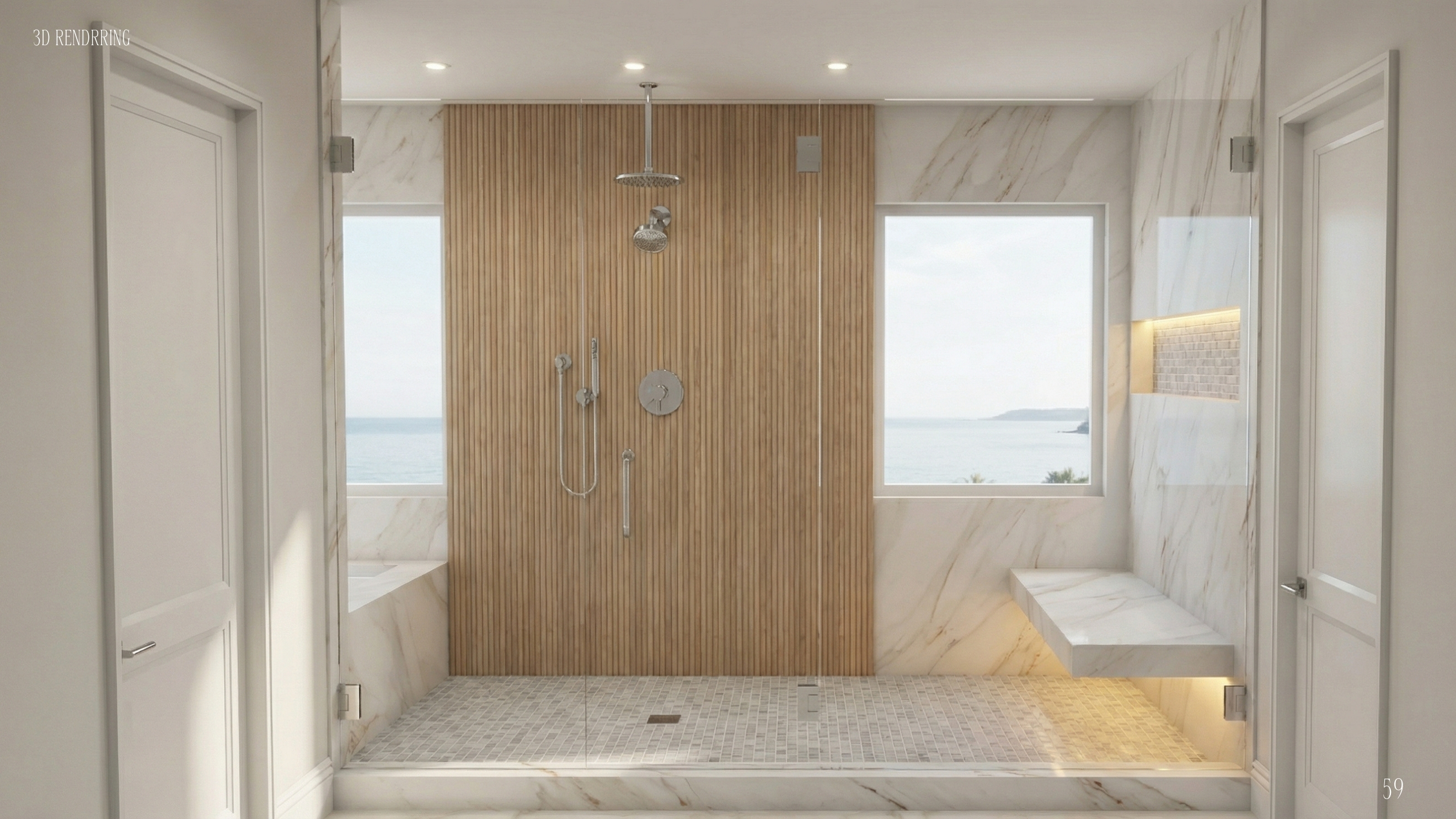
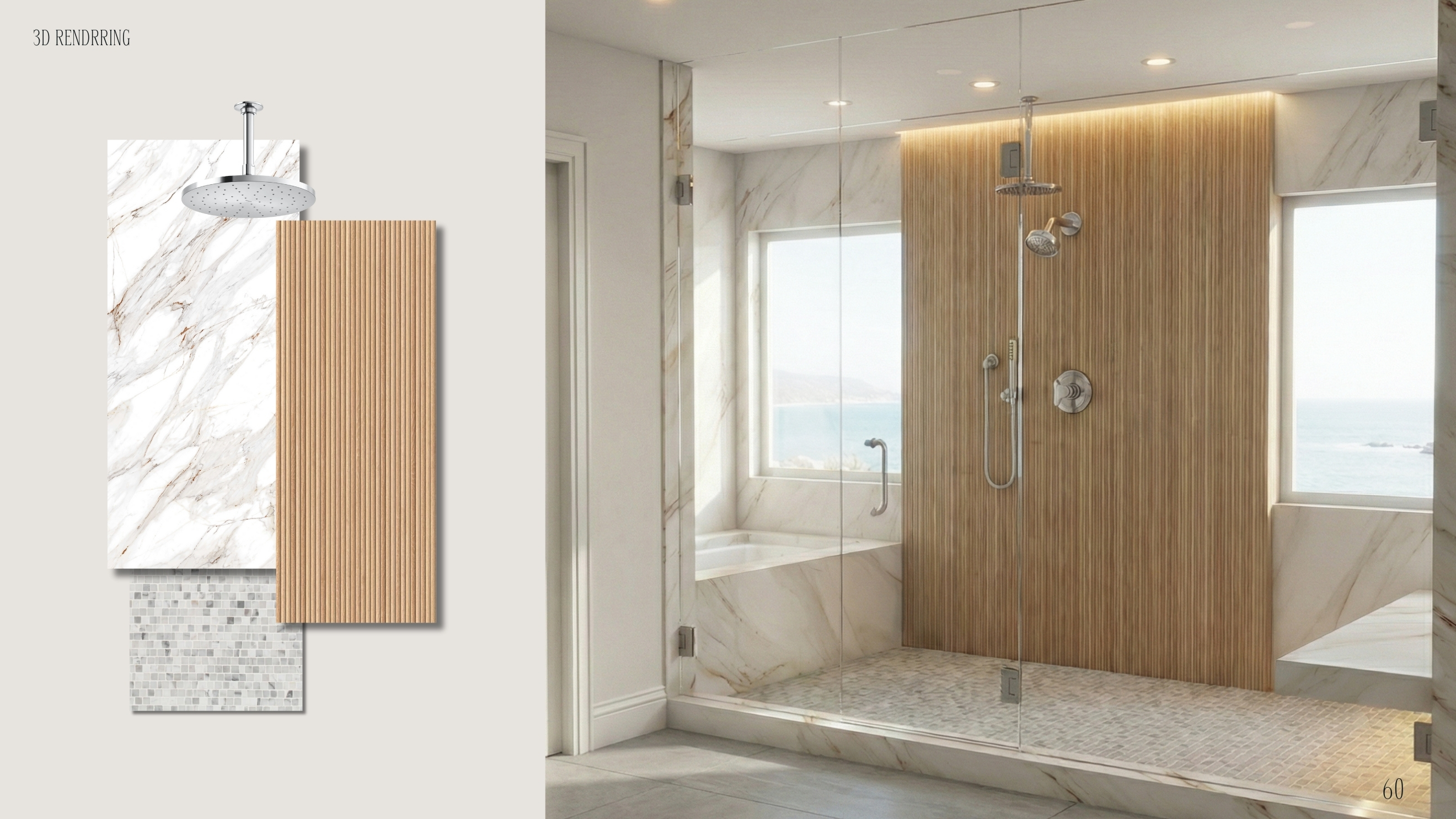
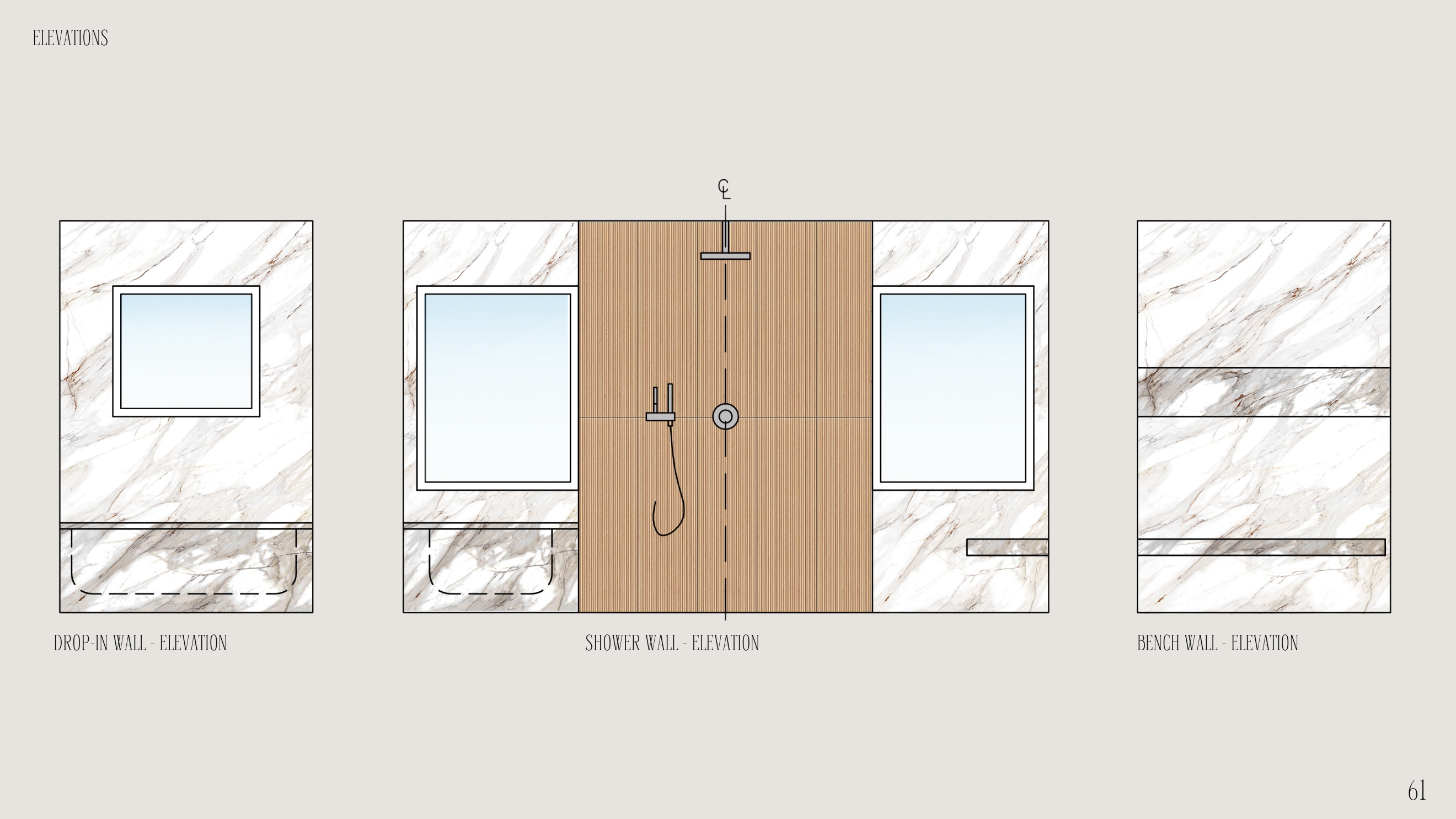
AND this is where I started earlier this week..Oh SketchUp I cannot live without YOU 🥰😂
Let's contunie - if presentations still feel intimidating..
If you feel anxious before client meetings, you’re not alone. Even now, I still get a little flutter before presentations..
Here are a few things that genuinely help me settle in before I share my work:
• Put on music that grounds you - not hypes you. Something familiar, calm, and steady. (I love relaxing piano music in the background.)
• Go for a short walk - even five minutes helps. Movement clears your head more than staring at your screen.
• Take a few slow breaths before opening your presentation - in through your nose, out through your mouth. (I learned this in yoga a couple of years ago, and it truly helps.)
• Remind yourself: clients are people too. They’re not there to test you - they hired you because they trust you.
And one more important reminder:
If they don’t love something you presented, that’s still a win. Feedback is feedback - and every conversation gets you one step closer to understanding what your clients truly want.
One mindset shift that helps every time:
You’re not “presenting” to impress - you’re guiding someone through decisions you’ve already thought through.
That’s it.
Confidence doesn’t mean nerves disappear.
It means you trust your process enough to move forward anyway.
Ana 🌸
Interior Design Den

Responses